
In double-entry accounting, a credit to any account must be offset by a debit to another account. If your general ledger is accurate, the debit balance will equal the credit balance. You prepare your post-closing trial balance after you finalize all your financial statements and close any temporary accounts, such as revenue, expenses, and dividends accounts.
Run a monthly accruals close that ties to the trial balance
Making a list of the above balances brought down produces a trial balance as follows. Or if you want more practice with the trial balance, check out some additional questions further below. Be sure to QuickBooks test yourself on how to compile a trial balance by trying the Trial Balance Practice Example below as well as the Trial Balance Mini Quiz at the end of the lesson.

Enter Transactions Carefully
- After closing all general ledger accounts, the trial balance is prepared at the end of the financial year.
- Once temporary accounts like revenue and expenses are closed and transferred to retained earnings, a post-closing trial balance confirms that only permanent accounts remain.
- This makes it easier to review account balances, spot irregularities, and prepare for the next steps in the accounting process, such as making adjusting entries or closing the books.
- Major errors are usually detected and corrected, while minor ones may go unnoticed but also don’t materially affect the accounts.
- However, some businesses prepare trial balances as an internal check before issuing official financial statements.
- For the past 52 years, Harold Averkamp (CPA, MBA) hasworked as an accounting supervisor, manager, consultant, university instructor, and innovator in teaching accounting online.
Errors can range from misdescribing a transaction to incorrectly calculated numbers. To make the process even easier, you can use the free Enerpize trial balance template. With Financial Cents, you can track every client task and project in one place, set and monitor deadlines https://ethicsvibez.com/indianapolis-business-accounting-bookkeeping/ to ensure nothing is missed, and automate client reminders to save time on follow-ups. It also allows you to see the workload across your team to prevent burnout, standardize processes with workflow templates, and maintain clear communication and accountability across your firm. Below is a break down of subject weightings in the FMVA® financial analyst program.
Step 2: Capture preparer commentary and evidence on each exception (Google Sheets)
This involves preparing the financial statements and closing out the temporary accounts, such as revenue and expense accounts, to the retained earnings account. Mathematical errors occur when there are mistakes in the addition or subtraction of the debits and credits in the accounting records. The trial balance is a crucial tool in the preparation of financial statements.
Start your free trial with Shopify today—then use these resources to guide you through every step of the process. Enrol and complete the course for a free statement of participation or digital badge if available. Anyone can learn for what is a trial balance free on OpenLearn, but signing-up will give you access to your personal learning profile and record of achievements that you earn while you study.
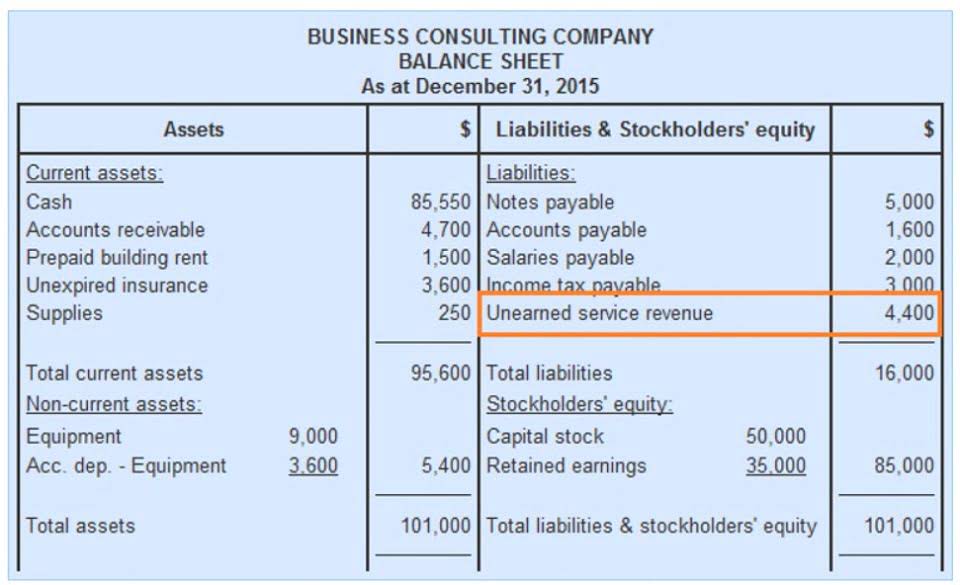
- The main difference between the two is that a balance sheet is a financial statement, while a trial balance is an internal accounting document.
- If your exam expects you to balance the Balance Sheet, use the above closing stock as balancing figure.
- A balance sheet is a statement that represents the financial position of a business on a particular date.
- After these errors are corrected, the TB is considered an adjusted trial balance.
- It shows the total debits in one column and the total credits in another, allowing you to quickly see if your books are mathematically correct.

It is prepared after all temporary accounts are closed at the end of the accounting period. It confirms that all debits and credits are balanced and that the books are ready for the new fiscal year, serving as the opening trial balance for the next accounting cycle. It clearly shows the balances of these accounts, confirming that everything is in order before the new accounting period begins. The adjusted trial balance is the final checkpoint before you create your financial statements, ensuring your records are complete, accurate, and ready for reporting. Without it, you risk building financial statements on errors that could have been caught and corrected earlier in the process. The errors have been identified and corrected, but the closing entries still need to be made before this TB can used to create the financial statements.
دیدگاهتان را بنویسید